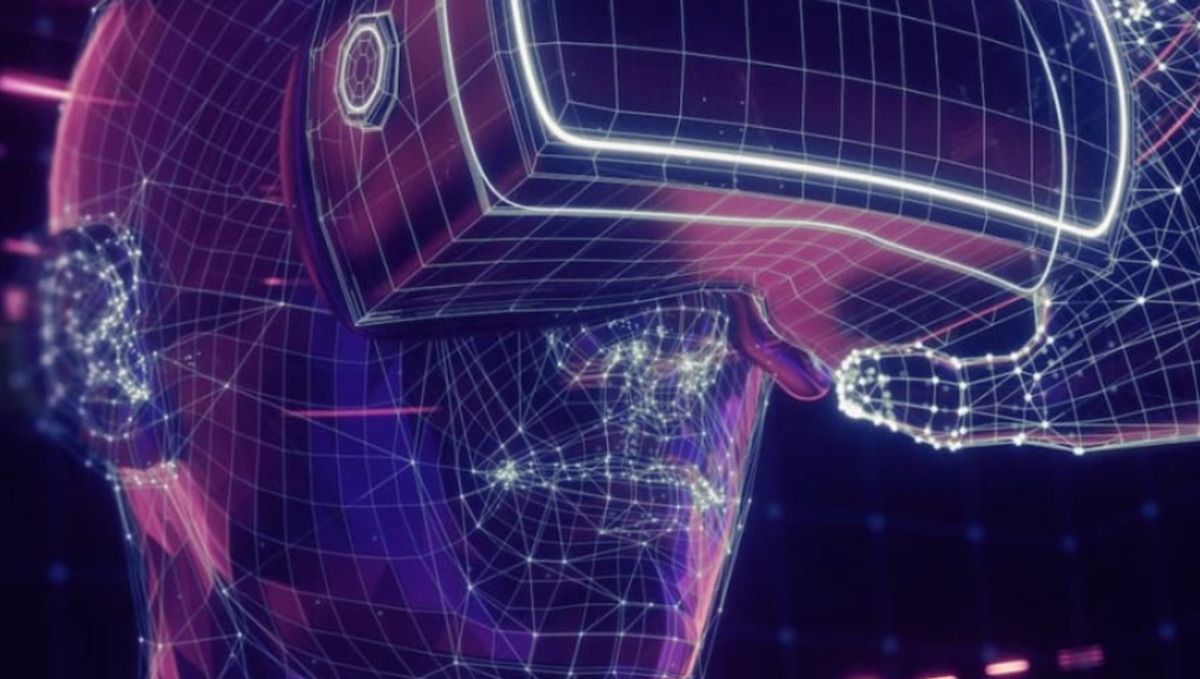

The metaverse has become one of the most exciting sectors in the crypto industry, combining blockchain technology with immersive virtual worlds, digital ownership, and play-to-earn gaming. Metaverse coins power virtual economies where users can buy digital land, create avatars, trade NFTs, and participate in decentralized communities.
These tokens serve as the native currencies of metaverse platforms, which makes it possible for users to purchase digital assets, vote in governance proposals, and earn rewards through gameplay or content creation. Blockchain ensures transparent ownership of items like virtual land and collectibles, making the metaverse an emerging digital economy.
Below are seven of the top metaverse coins to watch in 2026, along with their key features, advantages, and potential drawbacks:
1. Decentraland (MANA)

Decentraland is one of the earliest blockchain-based metaverse platforms and is a cornerstone of the virtual world ecosystem. Built on Ethereum, Decentraland allows users to explore a fully decentralized digital environment where they can buy and develop virtual land, host events, build businesses, and trade digital collectibles.
The MANA token serves as the platform’s main currency. Users spend MANA to purchase LAND NFTs, wearables, and other in-world assets. Decentraland also features a decentralized autonomous organization (DAO) that allows token holders to vote on platform decisions, ensuring community governance.
Pros amd Cons:
2. The Sandbox (SAND)

The Sandbox is a popular metaverse gaming ecosystem that allows players to create, own, and monetize digital experiences. The platform provides tools for building games, environments, and interactive experiences within its virtual world.
The SAND token acts as the main currency for buying land, trading NFTs, and participating in governance. Players and developers can monetize creations like avatars, assets, and mini-games, turning the platform into a creator-driven economy.
Major brands, including entertainment companies and celebrities, have purchased virtual land within The Sandbox, which helped boost the platform’s visibility.
Pros and Cons:
3. Axie Infinity (AXS)]

Axie Infinity is a pioneering play-to-earn gaming ecosystem where players collect, breed, and battle digital creatures known as Axies. Each Axie is an NFT that players truly own and can trade or sell in open markets.
The platform uses the AXS token for governance and rewards, allowing players to participate in the game’s economy and decision-making. Axie Infinity gained global attention for introducing a model where gamers could earn cryptocurrency rewards while playing.
Pros and Cons:
4. Enjin Coin (ENJ)
Enjin Coin is a blockchain project that is designed specifically for gaming and digital asset ownership. Instead of being a single metaverse world, Enjin acts as infrastructure that allows developers to create NFTs, in-game items, and virtual economies across multiple platforms.
The ENJ token backs the value of digital assets minted on the network, giving NFTs real economic value. Developers can integrate Enjin’s tools into games and applications to create blockchain-based items and experiences.
Because it focuses on infrastructure rather than a single platform, Enjin plays an important role whin it comes to connecting multiple metaverse and gaming ecosystems.
Pros and Cons:
5. Illuvium (ILV)

Illuvium is a blockchain-based open-world RPG that blends high-quality graphics with decentralized gameplay. Players explore a virtual world, capture creatures called Illuvials, and battle them in competitive matches.
The ILV token powers governance, staking rewards, and ecosystem incentives. Illuvium stands out for its AAA-style game design, which bridges traditional gaming with blockchain technology.
The project also features NFT ownership for characters and items, allowing players to truly own their in-game assets.
Pros and Cons:
6. ApeCoin (APE)

ApeCoin is closely tied to the Bored Ape Yacht Club ecosystem, one of the most famous NFT communities in crypto. The token functions as a governance and utility currency for metaverse projects linked to the Ape ecosystem.
The Otherside metaverse, developed by Yuga Labs, is expected to integrate ApeCoin as a core part of its digital economy. This connection gives the token strong brand recognition in the NFT and metaverse sectors.
Because of its association with high-profile NFT projects, ApeCoin attracted both investors and creators looking to build experiences in the Ape ecosystem.
Pros and Cons:
7. Render (RENDER)
Render Network takes a unique approach to the metaverse by focusing on decentralized GPU rendering power. Instead of creating a virtual world directly, Render provides the computing resources needed to build immersive 3D environments and graphics.
The RENDER token allows users to pay for GPU rendering services, enabling developers and artists to create complex digital worlds, animations, and metaverse experiences.
Pros and Cons:
Final Thoughts
The metaverse is still in its early stages, but blockchain technology is transforming how digital worlds operate. Metaverse coins enable true digital ownership, decentralized economies, and new forms of online interaction, making them an important sector in the broader crypto market.
Projects like Decentraland and The Sandbox focus on virtual worlds, while others like Render and Enjin provide the infrastructure that powers these digital environments. As VR technology, gaming, and Web3 development advances, metaverse cryptocurrencies could play an important role in the future of the internet.