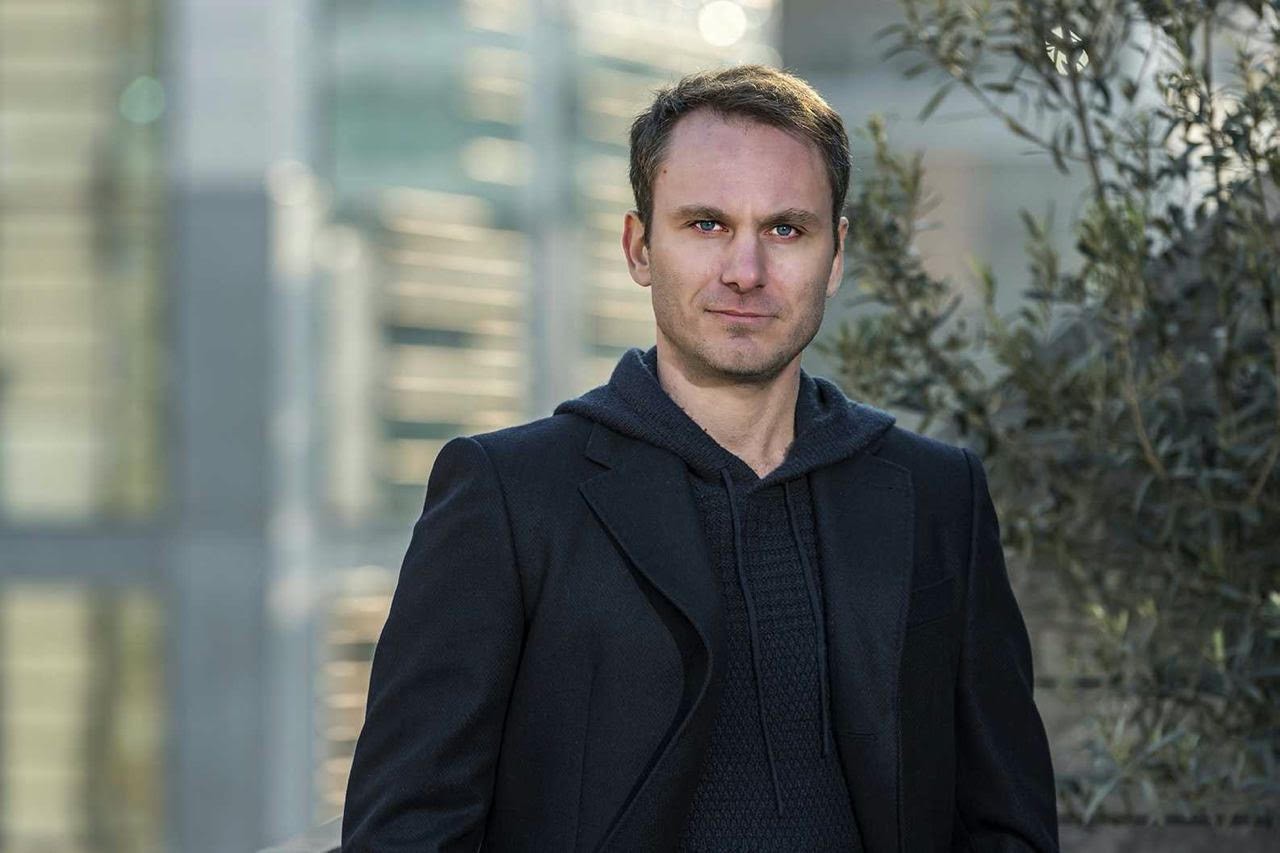

In a recent interview with Bankless, Tether CEO Paolo Ardoino shed light on the growing adoption of stablecoins like USDT, linking their rise to global economic instability and shifting generational dynamics.
According to Ardoino, the stablecoin surge began around 2020, when many middle-aged individuals—previously unfamiliar with cryptocurrencies—began exploring digital assets under the influence of younger family members. This intergenerational learning accelerated as inflation, currency collapse, and unemployment battered developing economies.
“People were looking for stability, and stablecoins delivered,” Ardoino noted, pointing to USDT’s role in preserving value, facilitating cross-border remittances, and supporting day-to-day transactions during times of crisis. As fiat currencies faltered, families turned to blockchain-based alternatives to survive financial shocks.
Tether’s CEO emphasized that stablecoins didn’t just benefit crypto-savvy users—they served a broader demographic facing urgent monetary needs, especially in regions with weak banking infrastructure.
The comments underscore why demand for stablecoins continues to grow globally: they’re not just speculative tools, but practical solutions to everyday financial problems.


Kosta has been working in the crypto industry for over 4 years. He strives to present different perspectives on a given topic and enjoys the sector for its transparency and dynamism. In his work, he focuses on balanced coverage of events and developments in the crypto space, providing information to his readers from a neutral perspective.