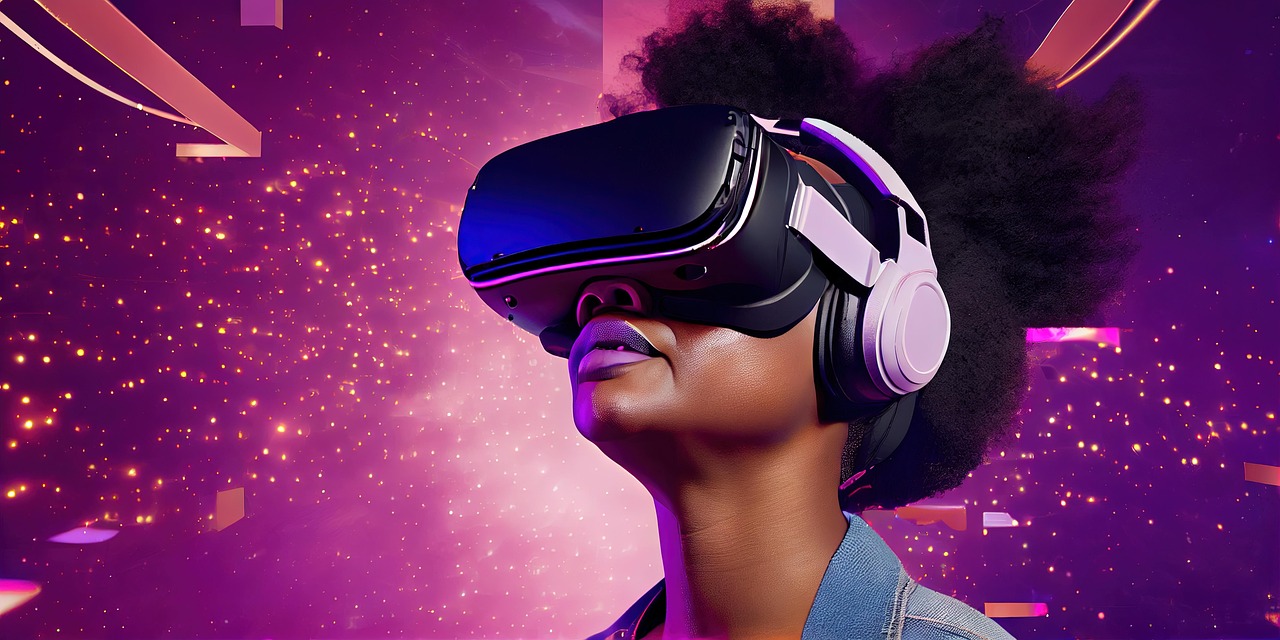

Not so long ago, the entire tech industry seemed to lose its collective mind over the metaverse. Every other headline promised a future where physical reality would play second fiddle to a digital existence. Investors poured billions into virtual land that didn’t exist, and the public was told that headsets would soon replace smartphones. But looking around today, that fever pitch has vanished. The revolution appears to be on an indefinite tea break. The average person isn’t attending weddings in VR or buying digital trainers; they are just trying to get through the week. It begs the question: was the whole thing a massive overreaction, or is the future just arriving much slower than the glossy adverts promised?
Gaming Led the Charge
While the newspapers were busy trying to explain why anyone would want to attend virtual concerts, a huge chunk of the population was already living a version of this life. They just didn’t use the fancy buzzwords. The gaming world has been creating shared digital spaces for decades, proving that people are perfectly happy to inhabit a virtual world as long as there is something fun to do there.
This is perhaps most obvious when looking at how the iGaming industry adapted. They didn’t wait for a headset revolution; they just used better streaming tech to bridge the gap. A modern online casino creates a hybrid space where a player can interact with a real dealer and other participants in real-time. It captures the buzz and atmosphere of a night out without the need to leave the house. This sector proved that immersion doesn’t require a clunky helmet. It just requires a seamless connection and an engaging experience. The tech giants could learn a thing or two from this approach because if you give people a reason to be there, they will show up.
The Headset Headache

The hardware itself is still the elephant in the room. Virtual reality headsets are, quite frankly, a faff. They’re heavy, they make your face hot, and most people tap out after twenty minutes because their neck starts complaining. Asking someone to strap a plastic brick to their head after a long day at work is a hard sell. The moment the screen lights up, the rest of the room vanishes — the dog, the family, even the cup of coffee you definitely meant to finish.
And that’s before you even think about the price tag. In a cost‑of‑living crisis, dropping several hundred pounds on a gadget with limited everyday use feels optimistic at best.
Unless you’re a proper enthusiast, the headset usually ends up in the infamous “drawer of shame,” nestled between the spiraliser and a tangle of mystery cables. Until the tech becomes as light, cheap, and effortless as slipping on a pair of sunglasses, mass adoption is wishful thinking. Right now, it demands too much money and too much effort for a payoff most people can’t quite see.
Meetings That Could Have Been Emails
Things really started to go pear-shaped when the corporate world tried to get involved. The early pitch for the metaverse was about limitless imagination and flying through space. Then, suddenly, it was about having meetings. The idea of “immersive workspaces” landed with a dull thud.
Nobody wants to be a legless cartoon avatar in a virtual boardroom. Video calls are draining enough without adding a layer of uncanny valley graphics to the mix. By trying to turn the metaverse into an extension of the office, these companies managed to suck all the joy out of the concept. It felt less like a video game and more like a dystopian obligation. If the future involves wearing a headset to look at a spreadsheet, most people would prefer to pass.
Buying Thin Air
Another bizarre chapter in this saga was the obsession with digital real estate. Stories circulated about investors spending millions on virtual plots of land. The logic was that when the public moved into the metaverse, these prime locations would be like owning property in Mayfair or Manhattan.
It felt like a gold rush based on absolutely nothing. In the real world, land is valuable because it is scarce. In a digital world, developers can simply code more land. The scarcity was artificial, and when the hype died down, a lot of people were left holding very expensive receipts for pixels that nobody wanted to visit. It was a stark reminder that just because something can be monetised, it doesn’t mean it should be.
The New Shiny Toy
Just as the metaverse was struggling to gain traction, it got completely upstaged. Artificial Intelligence kicked the door down and offered something the metaverse never could: immediate utility. There was no need to buy a headset or clear the furniture. You just opened a tab, and it worked. Suddenly, a chatbot could write a resignation letter or plan a weekly meal schedule in seconds.
The contrast was brutal. One technology demanded you wear a helmet to look at cartoons, while the other actually did your homework. The money followed the utility, and investors pivoted with ruthless speed. But in a strange twist of fate, AI might be the thing that saves the virtual dream. Building 3D worlds is tedious and expensive, but AI can generate them in moments. It might end up building the metaverse simply because it is the only tool fast enough to fill the empty space.
It is probably too early to write the obituary for the metaverse, but it certainly isn’t the life-changing revolution promised for 2024. The term itself has become a bit toxic, associated with failed crypto projects and empty virtual lobbies. However, the internet is becoming more 3D and more immersive. That trend isn’t stopping. Society likely won’t see a sudden “switch on” moment where everyone plugs into the matrix. Instead, the technology will slowly creep into daily life in useful ways, rather than just being flashy. For now, though, the physical world is still the place to be.
For the latest gaming news, follow GameWatcher on BlueSky, check out our videos on YouTube. We sometimes include affiliate links in our posts, which grants us a small commission, thank you. Please support independent Games Media. ❤️