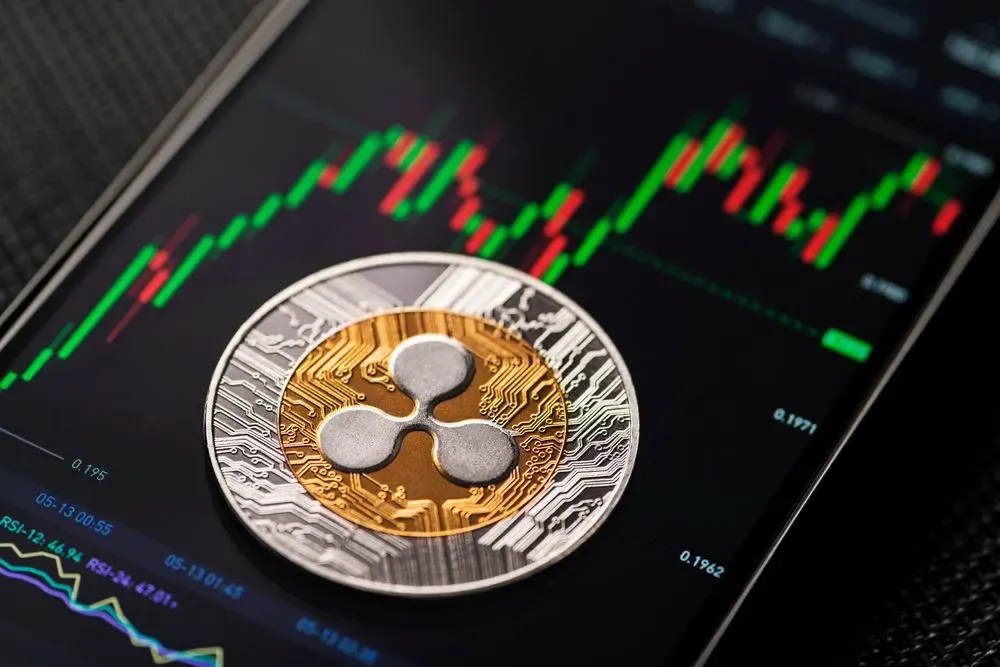

Ripple CEO Brad Garlinghouse said demand for XRP is rising as the token expands into new blockchain networks. His comment followed the launch of wrapped XRP, or wXRP, on Solana through Hex Trust and LayerZero. The move gives XRP holders a way to use their tokens in Solana-based decentralized finance applications without selling the original asset.
It also adds new trading, liquidity, and yield options for users across another major blockchain ecosystem. The rollout marks a new step in XRP’s use beyond its long-established role in payments.
Wrapped XRP Goes Live on Solana Apps
Wrapped XRP is now available on Solana, giving users access to a tokenized version of XRP that stays backed 1:1 by the original asset. RippleX confirmed the launch after Solana announced that wXRP had gone live across selected applications on its network. Hex Trust provides custody for the underlying XRP, while LayerZero supports the cross-chain setup that enables the wrapped asset to move into Solana’s ecosystem.
This structure allows holders to keep exposure to XRP while using the asset in a different blockchain environment. Users can redeem wXRP for native XRP at any time, which helps maintain price parity between both versions. The model also gives XRP a new route into decentralized products that do not operate on the XRP Ledger.
Following the XRP news, the token has rallied over 7.5% in the past week to trade at about $1.45. In the same period, Solana price has also climbed 3.6%, reaching around $87.61. The move shows that both altcoins posted weekly gains as the market reacted to the Solana-linked XRP expansion.
Ripple CEO Ties Expansion to Growing XRP Demand
Ripple CEO Brad Garlinghouse described the Solana rollout as a clear sign that demand for XRP continues to grow. He linked that demand to the asset’s wider reach and its ability to serve more use cases across multiple ecosystems. Garlinghouse said,
“Demand for XRP keeps growing. More access, more ecosystems, more utility.”The statement also aligned with comments from RippleX, which said cross-chain liquidity is opening new paths for XRP. XRP has long been associated with fast and low-cost payments, but new integrations now place it in trading, liquidity provision, and other DeFi activities.
Earlier this week, discussion around Ripple’s RLUSD pointed to a possible direct settlement role on Mastercard’s network. Christian Rau, Mastercard’s senior vice president of global digital commerce, said the company is working with partners such as Gemini to settle card flows in RLUSD. He added that Mastercard aims to bring the setup live in the first half of the year.
Solana Brings New Access Points for XRP Holders
The Solana integration gives XRP holders entry into a set of popular applications already active on that network. wXRP is available through apps such as Jupiter, Titan, Phantom, Meteora, and Byreal. These platforms cover several functions, including token swaps, wallets, liquidity tools, and trading services.
This access matters because Solana has built a strong user base around decentralized applications and on-chain activity. By contrast, XRP has built its core use around payments and transfer efficiency on the XRP Ledger.
At the same time, the launch adds XRP-linked liquidity to Solana’s DeFi market. That may help broaden trading activity around the token across a second blockchain environment. It also places XRP in front of users who may not have interacted with the asset through the XRP Ledger before.
The idea of expanding XRP into more ecosystems is not new. Hex Trust had pointed in this direction earlier, and Ripple CTO Emeritus David Schwartz had also supported broader ecosystem access for the asset. The Solana rollout now turns that approach into a live product with direct user access.