

Forecast Trend Report by Period


Bitcoin’s drop below $60,000 and profit-taking in artificial intelligence-themed tokens have pushed the altcoin market back into a slump. At the same time, money is flowing into decentralized finance and a handful of projects with real-world use cases, sharpening the divide among individual tokens.
Bitcoin Falls Below $60,000 as AI Tokens Face Profit-Taking
The altcoin market, which had staged a modest rebound on hopes of easing tensions in the Middle East, is giving back those gains. Selling pressure spread across major altcoins after Bitcoin fell below $60,000. A stronger dollar, the Federal Reserve’s hawkish stance and the prospect of higher interest rates have hurt appetite for risk assets.
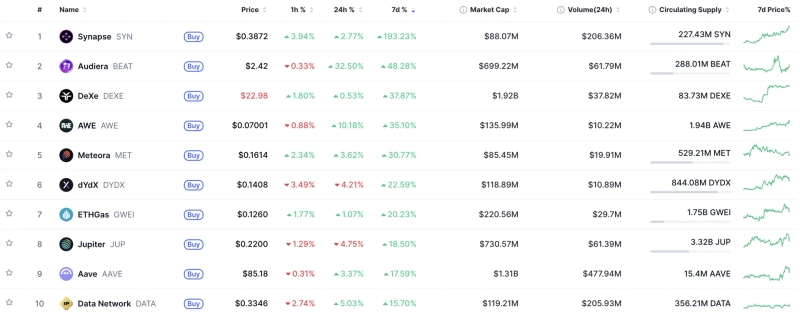
About 80 of the top 300 cryptocurrencies by market capitalization rose over the past week, while 220 fell, according to CoinMarketCap data on June 26. Hopes that easing tensions in the Middle East could revive risk appetite offered some support, but Bitcoin’s continued weakness spread selling pressure across the broader altcoin market.
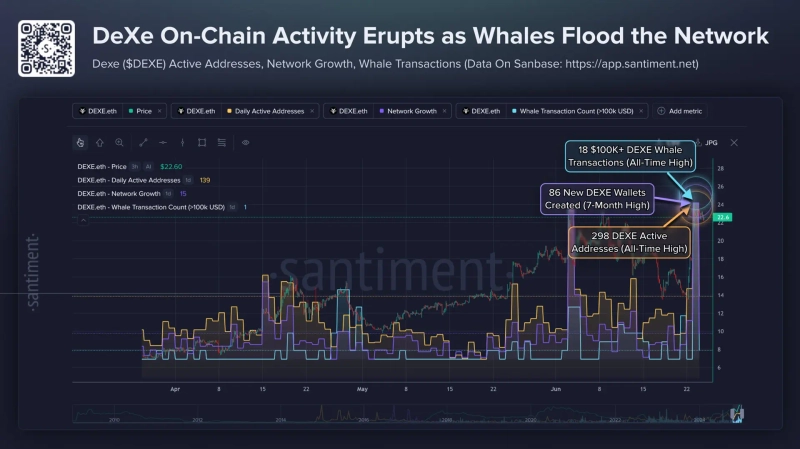
Among the largest tokens, DeXe climbed 35.5%, Jupiter rose 19.7%, Aave gained 17.5% and LAB advanced 16.9%. Aave in particular drew investor interest after Standard Chartered released a positive long-term outlook. The bank set a year-end target of $180 and a 2030 target of $3,500. AAVE was trading near $86.
Artificial intelligence-linked tokens that had recently rallied came under profit-taking pressure. Worldcoin fell 25.7% and Fetch.ai dropped 13.3%. Worldcoin appears to have faced a sell-the-news reaction after its Robinhood listing on June 23. Weakness also persisted in major altcoins beyond the AI theme, with Ethereum, Dogecoin and Cardano continuing to trade lower.
Losses were steeper among mid-cap tokens. Humanity plunged 70.9%, while UB fell 38.2%, NEX lost 24.9%, Ethereum Name Service dropped 20.1%, TRAC slid 19.9% and KITE declined 19.6%. Humanity had tumbled earlier in June after a private-key hack. The token recently attempted a rebound, but selling pressure picked up again.
Some tokens, however, attracted short-term buying. BNB Attestation Service jumped 69.2%, Bitway rose 51.0%, AWE gained 34.6% and dYdX climbed 27.6%.
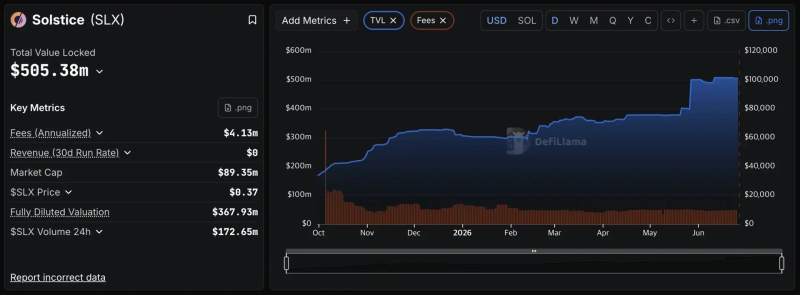
Smaller-cap tokens also posted sharp gains. Synapse surged 168% and Solstice jumped 155%, both recording triple-digit weekly advances. Synapse appears to have drawn speculative buying after Binance placed the token under a monitoring tag, a designation for assets subject to extra scrutiny. Solstice attracted investor attention after total value locked on its DeFi protocol topped $500 million.
Macro Headwinds Persist as Altcoins Head for Second-Half Shakeout
The altcoin market in the second half is poised to favor selective winners rather than a broad-based rally, with demand and capital flows diverging by project.
Recent signals from Fed Chair Kevin Warsh that further rate hikes may be possible have added pressure to the sector. Marion Laboure, an analyst at Deutsche Bank, said expectations for a crypto rally based on an easing cycle, as seen in the previous two years, could be shaken as tightening concerns return to focus. The U.S. personal consumption expenditures price index for May rose 4.1% from a year earlier, the highest in more than three years. Some market participants see the Warsh-led Fed moving as early as September to raise rates. Dollar strength is also weighing on sentiment.
Uncertainty around the path of oil prices and inflation also remains despite expectations that shipping through the Strait of Hormuz will normalize. Attacks on commercial vessels and controversy over transit fees have kept risks in play. The CLARITY Act, a U.S. crypto market structure bill, is targeting passage in August, raising hopes for legislative progress. Questions over ethics rules and other issues, however, still leave room for delays.
Some analysts are also making the case for bargain hunting in the second half. Crypto analyst Benjamin Cowen said the altcoin market remains constrained by concerns over higher rates and has yet to secure a clear recovery catalyst. In 2018 and 2022, both U.S. midterm election years, buy-the-dip strategies became effective from July after a June correction, he said. Cowen also said some capital could rotate into crypto if stocks come under pressure in the second half.
Others say a traditional altseason may be difficult to achieve. Gracy Chen, chief executive officer of Bitget, said the second half could bring a clearer divide between altcoin winners and losers. In the short term, Bitcoin dominance may remain elevated and low-utility tokens could face further restructuring.
Forbes Digital Assets said the altcoin cycle in the second half of 2026 is more likely to center on sectors tied directly to traditional finance, such as stablecoins, tokenized assets, and payments and settlement infrastructure, rather than the broad rallies in which most tokens rise together.
Kang Min-seung, Bloomingbit reporter minriver@bloomingbit.io