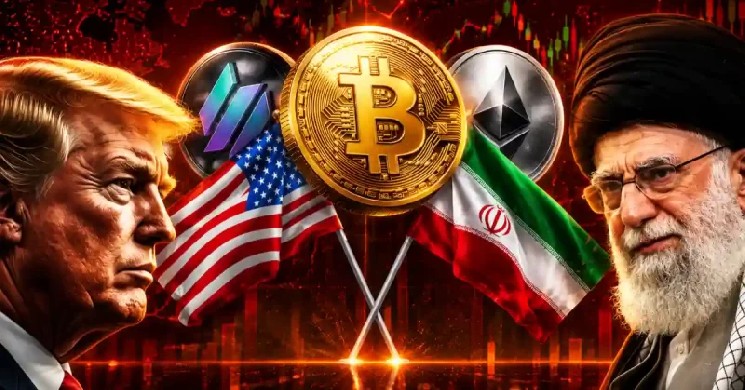

Iran formally submitted its response to a US peace proposal on May 10, routing it through Pakistani mediators after missing a US-anticipated deadline of May 8. The reply centers on what Tehran calls the “cessation of hostilities in the region,” according to Iran’s state-run IRNA news agency, though neither side has disclosed the substance of the response.
Iran accused Washington of violating the existing ceasefire, including alleged attacks on Iranian tankers near the Strait of Hormuz. Iran’s Foreign Minister Abbas Araqchi has publicly accused the US of a “reckless military adventure” that he says is undermining the negotiation process. The Islamic Revolutionary Guard Corps (IRGC) has gone further, threatening a “heavy assault” on US sites if Iranian tankers are targeted again.
What both sides want, and why they can’t get it
Washington wants Iran to dismantle its missile program and accept restrictions on access to the Strait of Hormuz. Iran, for its part, insists on a deal ratified by the UN Security Council and the preservation of its navigation rights through Hormuz.
President Trump had told CNN he expected Iran’s response by the evening of May 8, and Secretary of State Rubio reportedly discussed the timeline during meetings in Rome.
Military flare-ups test a fragile ceasefire
The ceasefire that began around April 10 was always fragile. Recent clashes near the Strait of Hormuz represent the biggest flare-ups since it took effect, and both sides are blaming the other for violations.
A CIA assessment reportedly concluded that Iran could endure a US port blockade for approximately four months without triggering an economic crisis.
The Strait of Hormuz handles roughly a fifth of the world’s daily oil consumption in transit.
How the conflict is bleeding into crypto markets
The ongoing conflict has driven noticeable volatility in oil-linked digital assets and pushed investors toward safe-haven positions in Bitcoin and stablecoins. Each flare-up since the ceasefire began has coincided with spikes in oil futures and measurably higher trading volumes on major crypto exchanges.
Stablecoins have seen increased demand in regions directly affected by the conflict, where access to dollar-denominated assets through traditional banking channels becomes unreliable under sanctions and wartime disruption.
The CIA’s four-month endurance estimate for Iran introduces a specific risk window. If negotiations stall and the blockade continues, expect sustained elevated trading volumes in BTC and stablecoins through at least late summer.